Land Clearing in Namibia: Why and When
Namibia's landscape ranges from open savannah and thornbush to dense mixed bushveld. Land clearing — the removal of vegetation, stumps, and surface debris from a site — is the first physical step in most construction, road, or agricultural land preparation projects.
In recent decades, bush encroachment has become a significant land management challenge across much of northern and central Namibia. Formerly productive grazing and farming land has been overtaken by dense thicket, reducing agricultural carrying capacity and complicating construction. De-bushing addresses this problem while often yielding usable biomass.
What Land Clearing Covers
Light clearing: Removal of grass, low scrub, and small woody plants. Common for residential stands, garden preparation, and access track formation.
Medium clearing: Removal of established shrubs and small trees (up to 100–150 mm trunk diameter). Common for subdivision development, road corridors, and farm development.
Heavy clearing/de-bushing: Removal of dense thornbush and medium-diameter trees (over 150 mm trunk). Common for agricultural land rehabilitation, road widening, and large development sites.
Stump removal: After mechanical clearing, stumps can regrow. Complete stump removal (mechanical extraction or chemical treatment) is required where roots would interfere with foundations or drainage.
Biomass disposal: Cleared material can be burned (subject to fire permits), chipped for mulch, or sold as firewood or biochar feedstock. The economics of biomass utilisation vary by location and market.
Environmental and Regulatory Context
Land clearing in Namibia is subject to environmental and agricultural legislation:
Environmental Clearance: Large-scale clearing (typically above thresholds set in the Environmental Management Act) requires an Environmental Clearance Certificate from the Ministry of Environment, Forestry and Tourism. Smaller projects may require a basic assessment or be exempt — check with a registered environmental assessment practitioner.
Fire permits: Burning of cleared material requires a fire permit from the relevant authority. Uncontrolled burns cause significant liability.
Protected species: Certain tree species are protected under Namibian law. Before clearing, identify whether any protected species are present and take the required steps (which may include transplanting or replacement planting).
Erosion management: Cleared land is vulnerable to erosion, particularly on slopes. An erosion management plan — erosion barriers, revegetation, and drainage — should be part of any large-scale clearing project.
Plant Used for Land Clearing
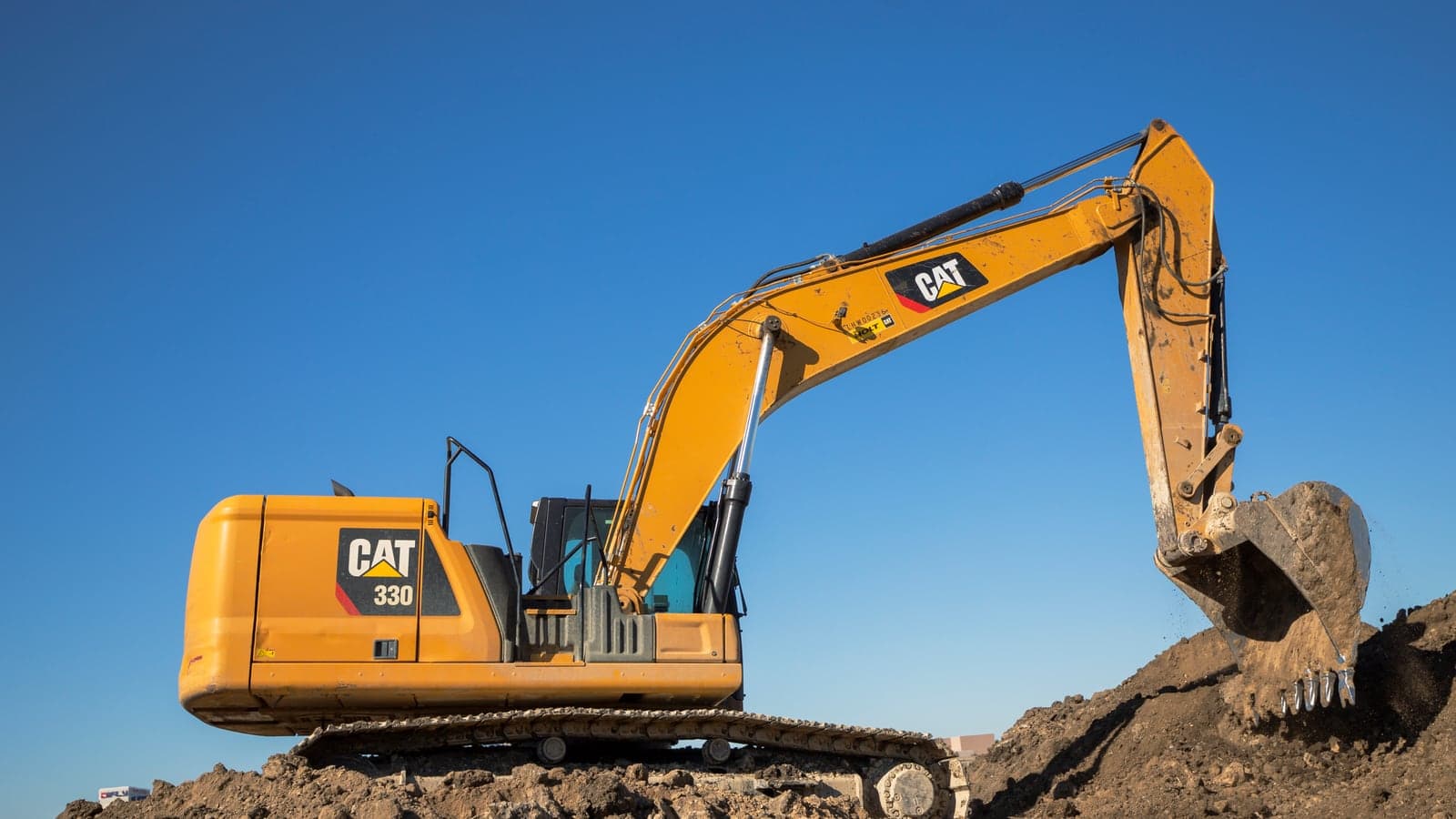
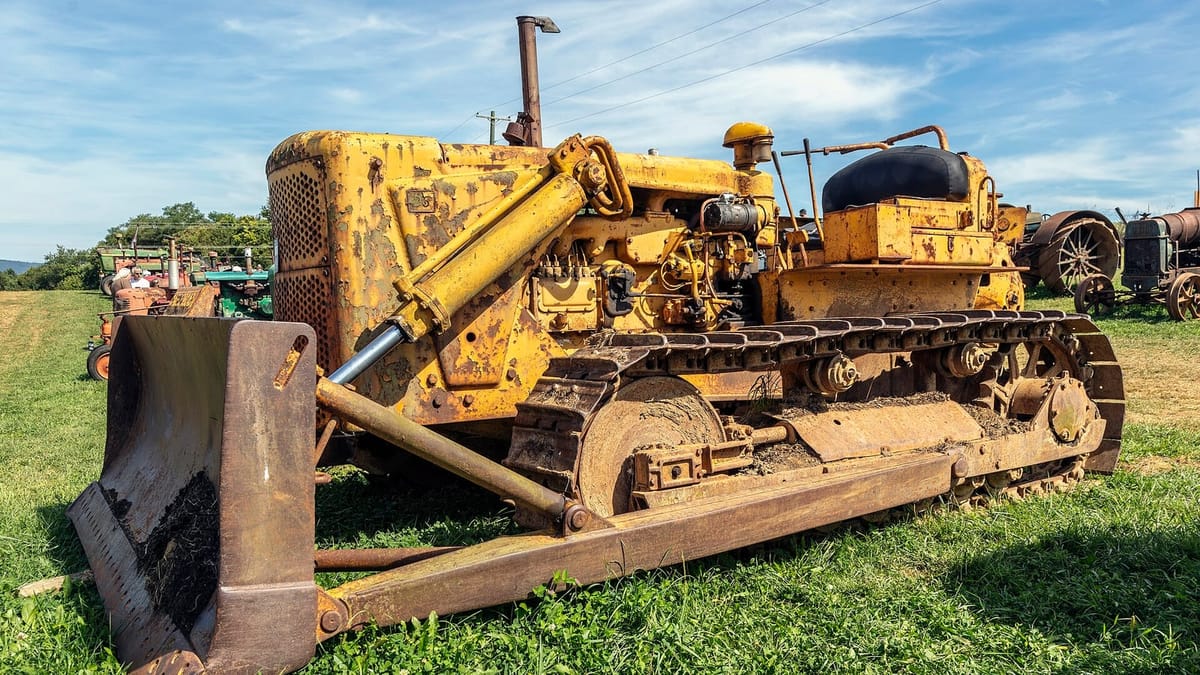
- Dozer (D6/D7 size): The standard tool for medium to heavy bush clearing. Pushes material into windrows for collection or burning. - TLB or excavator: For stump extraction and smaller-scale clearing with more precision. - Mulcher/tiller: Specialist attachments that shred vegetation in situ. Eliminates windrows and reduces fire risk. More expensive than dozing but leaves a cleaner site. - Chainsaw crews: For selective clearing or in areas inaccessible to machinery.
Land Clearing Before Construction
For any construction project, the clearing specification should match the subsequent earthworks requirement:
- Clearing corridor: Wider than the construction footprint to allow for plant access, material movement, and drainage. - Topsoil stripping follows clearing: After clearing, the topsoil and organic horizon are stripped before earthworks begin. Do not compact or bury cleared organic material — it will decompose and cause settlement. - Drainage consideration: Clearing changes the hydrology of a site. Increased runoff after clearing must be managed.
Land Clearing in Northern Namibia
Diligent Investments provides land clearing and de-bushing services as part of our earthworks and civil capability, primarily in the Oshikoto Region, Tsumeb, and Otavi. We come to the site.
Contact us with your project location and size to discuss scope and a quotation.
// FAQ's