Road Construction in Namibia: Context
Namibia has one of the longest road networks per capita in Africa, but a large portion of this network — particularly in rural and peri-urban areas — consists of gravel roads that require ongoing maintenance and periodic upgrade. Urban growth in towns like Tsumeb, Otavi, and the Oshikoto Region is driving demand for new access roads, internal estate roads, and road drainage infrastructure.
Municipalities, regional councils, developers, and mining operators regularly procure road construction contractors. This guide explains how the process works and what to look for.
Types of Road Construction Work
Gravel roads: The most common road type in Namibia outside the national paved network. Gravel roads require proper grading, compaction, cross-fall for drainage, and scheduled maintenance. New gravel road construction involves clearing, subgrade preparation, gravelling, and compaction.
Paved/surfaced roads: Bitumen surface treatment (double seal or similar) or asphalt over a crushed stone base. Used in urban areas, access roads to significant facilities, and high-traffic routes where gravel maintenance costs exceed the cost of surfacing.
Internal estate and subdivision roads: Roads within residential, commercial, or industrial developments. Typically designed to local authority standards and handed over to the authority after construction.
Access roads and tracks: For agricultural, mining, tourism, and utility access. Specifications vary from basic cleared tracks to engineered gravel roads.
Road rehabilitation and maintenance: Re-gravelling worn roads, pothole patching, blading and compaction, drainage clearance.
Key Stages of a Road Construction Project
1. Survey and design Before any earthworks, the road alignment and design must be established. This includes survey pegging, cross-section design, drainage design, and materials specification. For any road that will be handed over to a local authority, approved engineering drawings are required.
2. Site clearing and stripping Remove vegetation, topsoil, and any obstructions from the road corridor. Stripped material is typically stockpiled or disposed of off-site. Bush clearing is often the first sub-task.
3. Earthworks — cut and fill The subgrade (the natural ground shaped to receive the road structure) is formed by cutting high areas and filling low areas. Correct compaction of fill material is critical — poorly compacted fill settles unevenly, causing pavement failure.
4. Sub-base and base preparation Depending on the design, a layer of improved material (selected fill or crushed stone) is placed over the subgrade to improve load-bearing capacity and drainage.
5. Surfacing For gravel roads: gravelling and compaction. For paved roads: base course, prime coat, bitumen seal or asphalt.
6. Drainage Cross-drainage structures (culverts, drifts) and side drainage (channels, French drains) must be installed to carry water away from the road structure. Poor drainage is the primary cause of road failure in Namibia.
7. Finishing and handover Line markings (where required), signage, final grading, and handover documentation.
How to Procure a Road Construction Contractor
For government and parastatal projects, formal tender processes apply. The procurement process typically includes:
- Advertisement of tender (Government Gazette, local press) - Tender document issue - Site inspection - Tender submission - Evaluation (price, experience, BBBEE/preferential procurement compliance, programme) - Award
For private sector projects (developers, mining, agriculture), direct quotation is common. Even in this case, a minimum of two or three written quotes from competent contractors is good practice.
When evaluating a road contractor, check:
1. Plant availability: Road construction requires heavy equipment — graders, rollers, excavators, water bowsers. Does the contractor own or have confirmed access to the necessary plant? 2. Relevant experience: A contractor who builds houses is not automatically qualified to build roads. Ask for a road construction project record. 3. Site supervisor competence: Road geometry, compaction testing, and drainage design require technically competent supervision on site. 4. Materials sourcing: Where will the gravel or crushed stone come from? Has a materials test been done? 5. Health and safety plan: Road construction creates significant risk to workers and the public. A professional contractor will have a documented H&S plan.
Plant and Equipment
The core plant for road construction in Namibia:
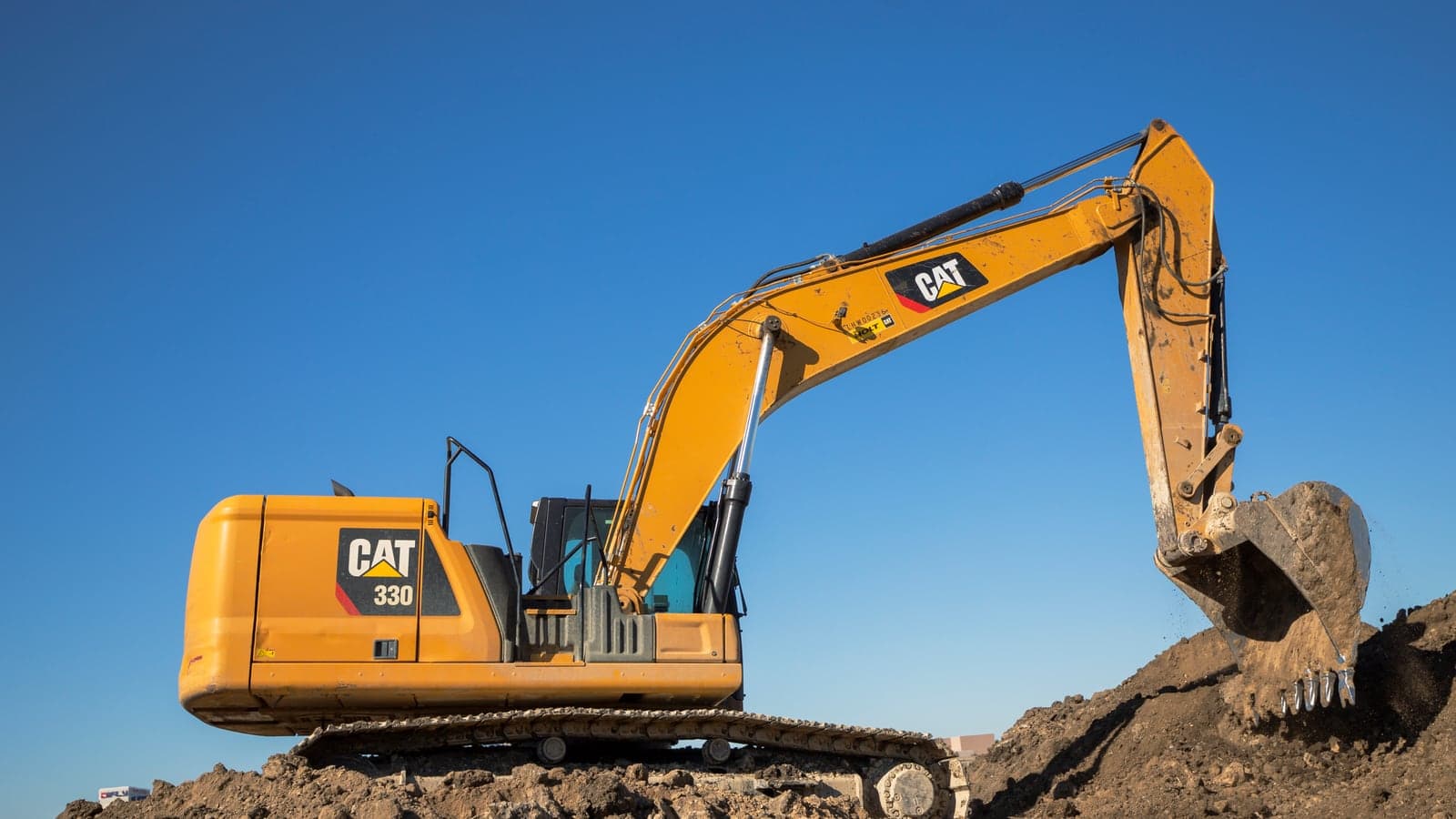
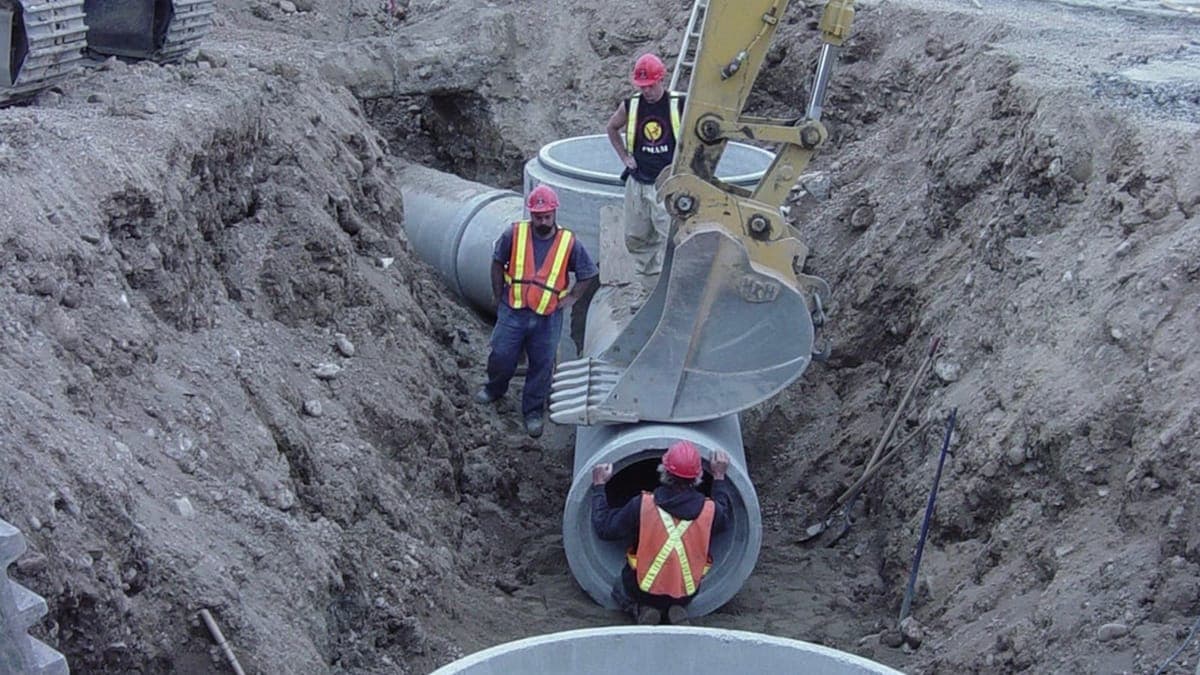
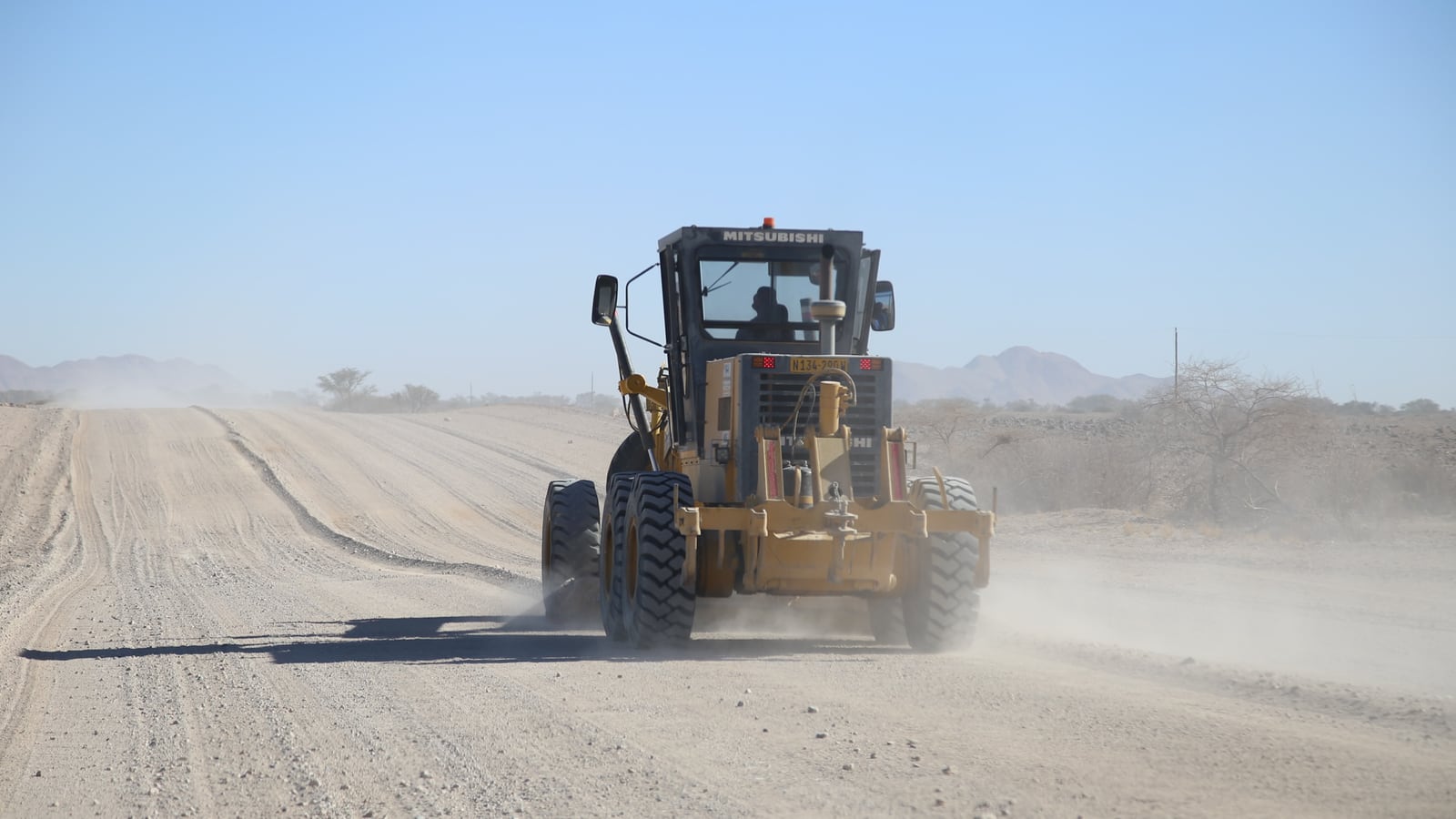
- Motor grader: Shapes the road surface, distributes gravel, and creates cross-fall and drainage channels. - Vibratory roller (padfoot and smooth drum): Compacts fill material and surfacing layers. - Water bowser: Critical for compaction — the right moisture content in the material is essential for achieving specified density. - Excavator/TLB: For earthworks, drainage structures, and culvert installation. - Tipper trucks: For material transport.
A contractor who does not own or have a firm lease arrangement for this plant is a risk. Hired plant at short notice is unreliable and expensive.
Drainage: The Make-or-Break Factor
More Namibian roads fail from drainage problems than from structural under-design. The causes:
- Insufficient cross-fall: Water ponds on the road surface, softening the subgrade. - Blocked or absent side drains: Water flows along the road rather than away from it. - Inadequate culvert capacity: Water overtops the road during storms, eroding the surface. - Poorly backfilled culvert trenches: Settling causes surface depressions.
A good road contractor treats drainage as a priority from design to completion, not an afterthought.
Roads and Earthworks in Northern Namibia
Diligent Investments provides road construction and earthworks services in the Oshikoto Region, Tsumeb, Otavi, and Windhoek. We work with municipalities, regional councils, and private developers on road projects from basic access tracks to engineered internal estate roads.
Contact us with your project scope and location to discuss a quotation.
// FAQ's